Composting at home is an excellent way to reduce waste, enrich your garden soil, and contribute to a healthier environment. If you’re new to composting, the idea might feel overwhelming, but with a few basic tips, you can get started quickly and easily. This guide will walk you through the essentials of home composting and help you create a thriving compost pile or bin.
What is Composting?
Composting is the natural process of recycling organic matter, such as food scraps and yard waste, into a nutrient-rich soil amendment. Instead of throwing these materials into the trash, composting turns them into valuable humus that supports plant growth.
Why Compost at Home?
– Reduces landfill waste: Composting diverts organic material from landfills, reducing methane emissions.
– Improves soil: Compost adds nutrients and improves soil structure, promoting healthier plants.
– Saves money: You can reduce the need for chemical fertilizers and buy less soil conditioner.
– Supports sustainability: Composting is an eco-friendly practice that closes the loop in your household waste.
Getting Started: Basic Composting Tips
1. Choose the Right Composting Method
There are several ways to compost at home, so choose one that fits your space and lifestyle:
– Compost bin: A contained bin helps keep your compost organized and neat.
– Compost pile: If you have a yard, piling organic waste in a designated spot works too.
– Tumbler: These rotating bins speed up composting and are easy to turn.
– Vermicomposting: Using worms to compost kitchen scraps indoors; great for small spaces.
2. Select a Good Location
Place your compost bin or pile in a dry, shaded, and well-drained spot. This location will help maintain moisture without getting too wet and will keep the microbes active.
3. Gather Composting Materials
Composting requires a mix of two types of materials:
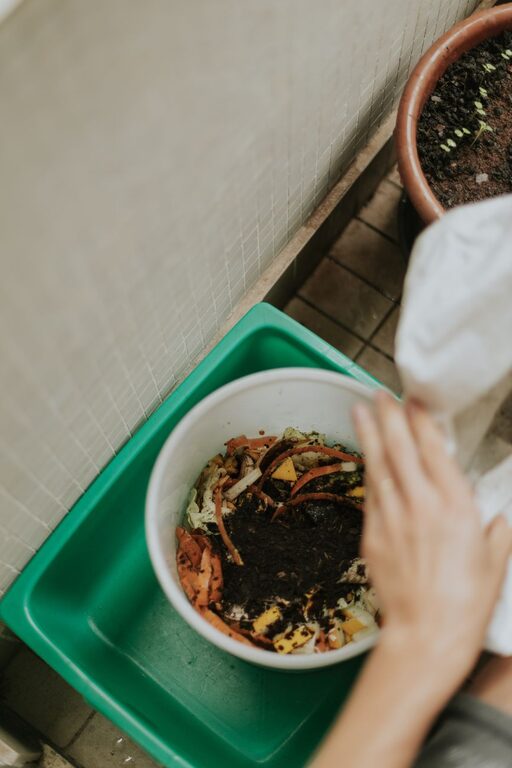
– Greens: Nitrogen-rich items like fruit and vegetable scraps, coffee grounds, fresh grass clippings, and garden trimmings.
– Browns: Carbon-rich materials such as dry leaves, straw, cardboard, paper, and small branches.
The ideal compost pile includes about 2-3 parts browns to 1 part greens.
4. Avoid These Items
Not everything should go into your compost. Avoid:
– Meat, dairy, bones, and oily foods (these attract pests).
– Diseased plants or weeds gone to seed.
– Pet waste from carnivores (could contain harmful pathogens).
5. Maintain Your Compost
To help composting happen quickly:
– Turn your pile regularly: Mix or turn your compost every 1-2 weeks to aerate it.
– Keep it moist: The pile should feel like a wrung-out sponge — moist but not soggy.
– Monitor temperature: A healthy compost pile heats up; this helps break down materials.
6. Be Patient
Composting usually takes a few months to a year depending on conditions. Finished compost looks dark, crumbly, and earthy-smelling. It won’t have recognizable food scraps or leaves.
Troubleshooting Common Composting Problems
Slow Decomposition
– Add more greens if your pile is mostly browns.
– Chop materials into smaller pieces to speed breakdown.
– Turn the compost more often.
Bad Odors
– Usually caused by too much moisture or greens.
– Add more browns like dry leaves or shredded paper.
– Make sure the pile is getting enough airflow by turning it.
Pests
– Avoid adding meat and dairy.
– Keep your compost bin closed.
– Bury food scraps under browns.
How to Use Finished Compost
Finished compost can be used in many ways:
– Mix it into garden beds to improve soil fertility.
– Use it as mulch around trees and shrubs.
– Add it to potted plants for better drainage and nutrients.
– Spread it on your lawn as a natural fertilizer.
Final Thoughts
Starting a compost bin at home is easier than you might think. By following these beginner tips, you can reduce waste, create healthy soil for your plants, and enjoy the satisfaction of sustainable living. Remember to start small, be patient, and adjust your composting routine as you learn what works best in your space.
Happy composting!