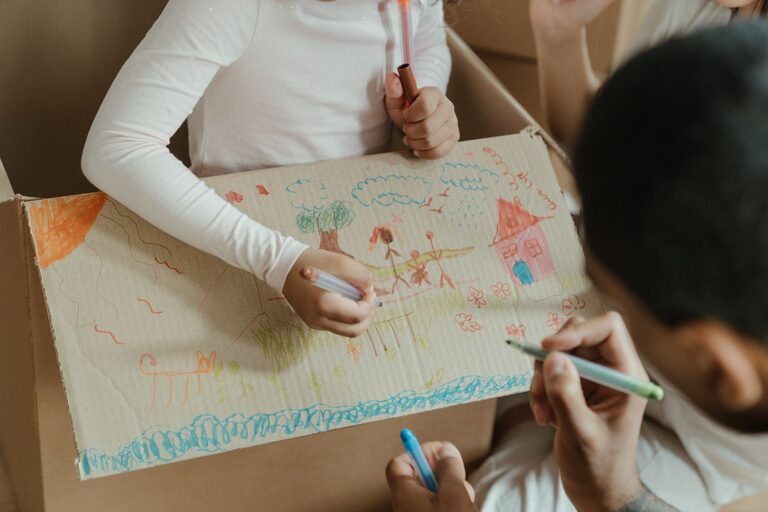
Children’s artwork is a wonderful expression of their creativity and imagination. However, as little masterpieces accumulate, it can become challenging to keep them organized without creating clutter. If you’re looking for effective ways to store, display, and manage your kids’ art, this guide offers practical tips to help you preserve memories and maintain a tidy home.
Why Organizing Kids’ Art Matters
Kids’ art is more than just paper and paint; it represents milestones, growth, and joyful moments. Organizing these creations helps you:
– Celebrate your child’s talent and progress.
– Create lasting memories.
– Reduce clutter in your home.
– Make it easier to find and enjoy favorite pieces.
– Encourage your child’s pride in their work.
With these benefits in mind, let’s explore some easy strategies to keep kids’ artwork neat and accessible.
Create a Dedicated Space for Art Storage
One of the best ways to manage kids’ artwork is by setting up a specific area in your home for collecting and storing pieces.
Options for Art Storage:
– Art Bins or Boxes: Use plastic or cardboard bins labeled with your child’s name and date. Choose shallow boxes for flat storage.
– Portfolios: Large artist portfolios or binders with plastic sleeves protect artwork and keep it organized by date or theme.
– Filing Cabinets: A filing system with folders allows you to categorize drawings by year, project type, or event.
– Digital Storage: Photograph or scan artwork and store it digitally to save space and preserve images.
Having a designated spot helps avoid last-minute piles of artwork scattered around the house.
Display Art Creatively
Displaying your child’s art not only makes them feel proud but also decorates your home with personal touches.
Display Ideas:
– Rotating Gallery: Use frames, clipboards, or wire hanging systems to display a rotating selection of artwork on a wall.
– Corkboards or Magnetic Boards: These make it easy to swap in new creations regularly.
– Art Collages: Create a collage of smaller pieces on a poster board or inside a large frame.
– String and Clips: Hang a string or wire and use clothespins to showcase multiple pieces.
Changing the display often keeps the space fresh and highlights different art over time.
Establish a Routine for Sorting Art
Set up a routine to handle new artwork as it comes in. This prevents a backlog from building up.
Sorting Tips:
– Keep: Select the most meaningful or impressive pieces to save.
– Recycle: Recycle or discard less significant pieces after discussing it with your child.
– Share: Use some artwork for cards, gifts, or sharing with family members.
– Digitize: Photograph or scan before disposing of physical copies.
By involving your child in this process, you teach organization skills and respect for their creations.
Use Art for Functional Projects
Another way to honor kids’ art while organizing is to repurpose it into everyday items.
Creative Uses:
– Greeting Cards: Cut and fold artwork to create homemade cards for birthdays or holidays.
– Gift Wrap: Use larger drawings or paintings as unique gift wraps.
– Decorative Items: Laminate favorite pieces to make placemats or bookmarks.
– Photo Books: Compile scanned artwork into a professionally printed photo book.
These projects keep the art meaningful and reduce clutter.
Tips for Handling Bulkier Art Projects
Not all kids’ art is flat paper; some are three-dimensional or larger crafts.
Storage Strategies:
– Display Shelves: Use shelves or shadow boxes for sculptures and other 3D projects.
– Storage Containers: Store small bulky items in labeled clear bins to see contents easily.
– Photograph Then Recycle: For items too large to keep, take photos to preserve the memory and gently recycle the original.
Maintaining balance between saving and space ensures long-term organization.
Encourage Your Child’s Involvement
Getting your child involved in organizing their artwork encourages responsibility and makes the process more enjoyable.
How to Involve Kids:
– Let them choose what pieces to keep or display.
– Create a system together for sorting artwork.
– Make organizing a fun activity with music or storytelling.
– Celebrate milestones with an “art review” day.
This fosters pride and helps children appreciate the value of their creations.
Final Thoughts
Organizing your kids’ art doesn’t have to be overwhelming. With designated storage, creative displays, regular sorting, and involving your child in the process, you can celebrate their creativity without the clutter. Whether you choose physical storage or digital archiving, these tips help keep your home tidy and your child’s artistic journey well preserved.
Enjoy the process and treasure the colorful memories!